
The last frontier for development
Plus: Luxury retail brand out at SouthPark; A small business' path to Eastland; Another steakhouse coming to uptown?; Charlotte a hot market for institutional investors; Ivey’s penthouse for sale

Today’s Real Estate Whispers is sponsored by NiceDay — a creative branding and placemaking partner for commercial real estate developers and hospitality groups across the Southeast.

Welcome back to our weekly look at Charlotte real estate and development news. Charlotte Commercial Real Estate Whispers is your home for the dirt on Charlotte’s dirt — transactions, rezonings and notable projects — and where I also try to break down the alphabet soup of land-use and real estate jargon.
Got a tip on a deal, a development or a debacle? Send me a note at ashley@cltledger.com.
In today’s edition:
Northwest Charlotte is suddenly booming with new development amid resident worries
Inside the luxury retail shakeup at SouthPark
How Rumbao Latin Dance Company’s struggles to lock down affordable retail space echo many small business owners’ concerns
Brazilian steakhouse eyes Tryon Street address
Charlotte is one of the biggest housing markets for institutional investors
And a wrap-up of land deals and real estate news from other sources
Charlotte’s ‘last frontier’ booms as residents worry about infrastructure impacts
What community members say has long been Charlotte’s best-kept secret is now out.
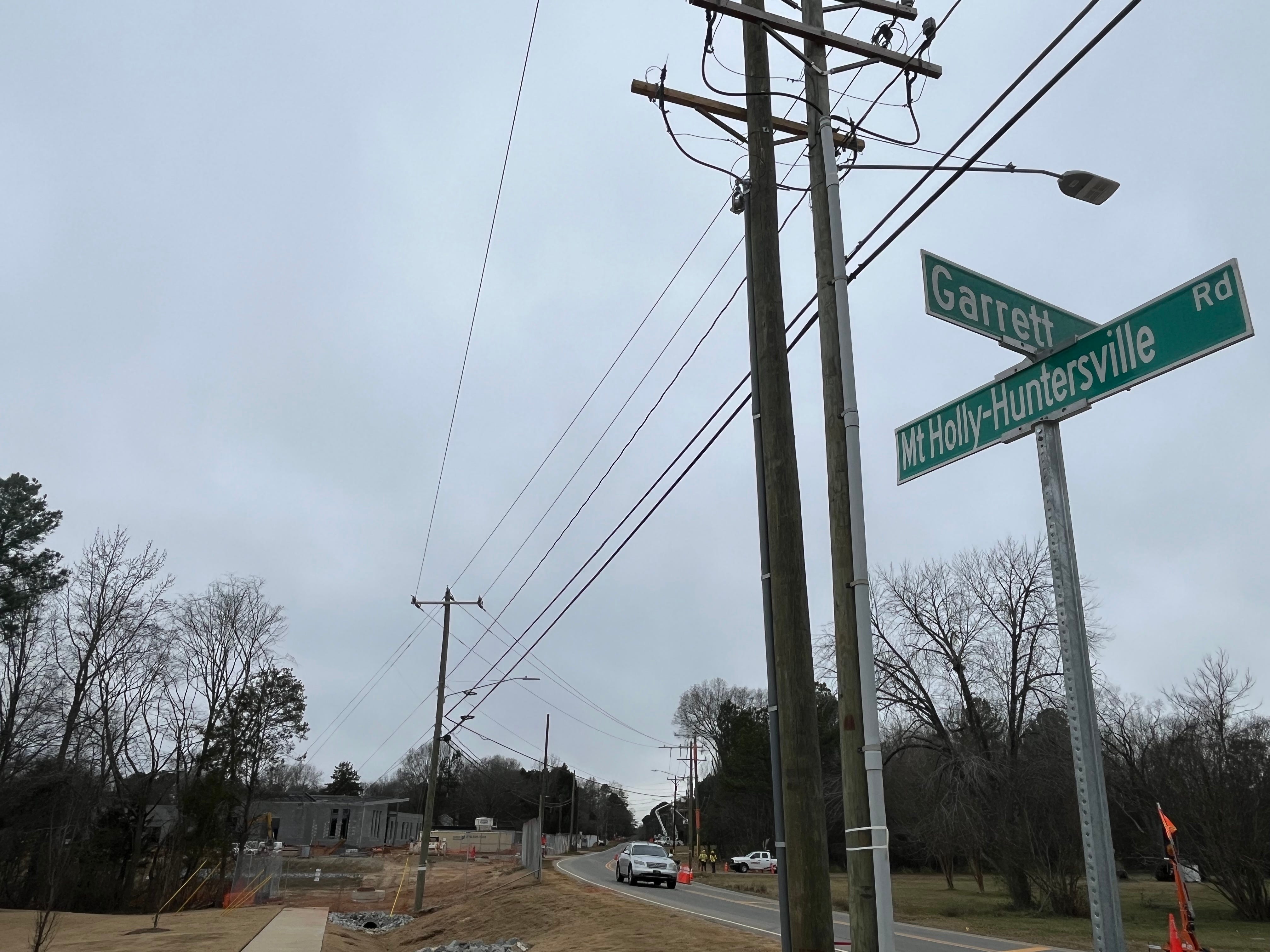
Northwest Charlotte, including communities like Mountain Island Lake and Coulwood, is seeing a fair number of rezoning petitions being filed, considered and approved, something that concerns those living in that corner of the city, as they feel road infrastructure hasn’t kept pace with recent growth.
Both for-sale and rental housing are being built along Mount Holly-Huntersville Road, a bulk of where the development activity in northwest Charlotte has occurred. Some of the larger sites that remain undeveloped contain yellow rezoning signs or advertisements that the land is for sale.
Traffic and infrastructure complaints are common refrains across Charlotte, especially during the city’s decade-plus boom that has well north of 100 people per day moving to the region, and a lot of apartments and townhouses built to accommodate that growth. But as areas like south Charlotte boomed, northwest Charlotte largely stayed mostly quiet — until now.